
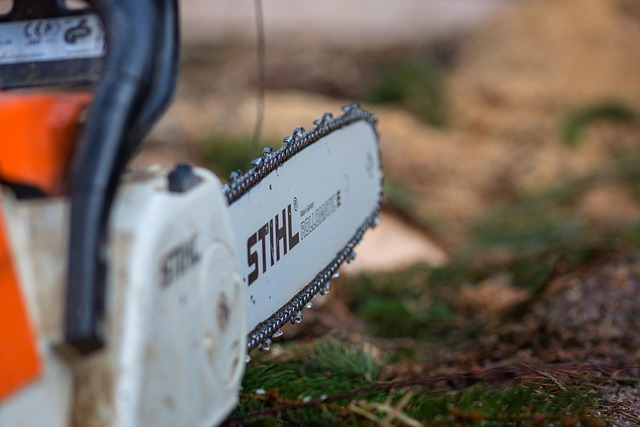
Tree removal can seem like a daunting process for homeowners, especially if you’ve never had it done before. Whether a tree is diseased, dangerous, or simply in the wrong place, hiring a professional ensures the job is done safely and efficiently. In this guide, we’ll walk you through exactly what happens during a tree removal, so you know what to expect when working with a tree surgeon North Devon.
1. Initial Assessment and Consultation
The process begins with a site visit from a qualified tree surgeon. During this stage, we will assess the tree’s condition, size, location, and any potential risks. They’ll look for signs of disease, structural weakness, or damage that may justify removal.
We’ll also consider nearby buildings, power lines, and access to the site. This assessment helps determine the safest and most effective removal method. If the tree is protected by regulations, we will advise you on permissions before proceeding.
2. Planning and Risk Assessment
Once the decision to remove the tree is confirmed, a detailed plan is put in place. Safety is the top priority for any tree surgeon, so this stage involves identifying hazards and deciding how to control them.
The team will determine:
- The direction the tree should fall (if it can be felled in one piece)
- Whether it needs to be dismantled in sections
- What equipment is required (ropes, harnesses, chainsaws, cranes, etc.)
In more confined spaces, especially in residential areas like Ilfracombe, trees are often removed in smaller sections to avoid damage.
3. Preparing the Site
Before any cutting begins, the area around the tree is prepared. This may include:
- Setting up safety barriers or signage
- Clearing obstacles from the work zone
- Positioning equipment and vehicles
If necessary, neighbours may be informed, particularly if access or shared boundaries are involved. A professional tree surgeon Ilfracombe will always ensure the site is secure before work starts.
4. Climbing or Accessing the Tree
For larger trees or those in tight spaces, the tree surgeon will climb the tree using ropes and harnesses. Alternatively, a cherry picker or elevated platform may be used if access allows.
This stage requires skill and precision, as the arborist must position themselves safely while preparing to cut branches. Proper technique ensures both the safety of the worker and the protection of surrounding property.
5. Removing Branches
In most cases, especially in towns or more built up areas, trees are removed piece by piece. The tree surgeon will start by cutting off smaller branches from the top down.
Each branch is carefully lowered to the ground using ropes to prevent damage below. This controlled method is essential when working near homes, fences, or gardens.
For those hiring a tree surgeon North Devon, this step demonstrates the level of care taken to minimise disruption and risk.
6. Cutting Down the Trunk
Once the branches are removed, the trunk is cut down in sections. If there is enough space, the remaining trunk may be felled in one piece. However, in most residential situations, it is dismantled in manageable sections.
Each section is either dropped into a safe zone or lowered carefully using rigging equipment. This ensures complete control over the process.
7. Stump Grinding (Optional)
After the tree has been cut down, you’ll be left with a stump. Many homeowners choose to have this removed for aesthetic or practical reasons.
Stump grinding is typically done using a stump grinder, which grinds the stump down below ground level. This allows the area to be replanted or landscaped easily.
A tree surgeon Ilfracombe can advise whether stump removal is necessary based on your plans for the space.
8. Clean-Up and Waste Removal
Once the tree has been fully removed, the team will clear away all debris. This includes branches, logs, and wood chips. Many tree surgeons offer options such as:
- Removing all waste from the site
- Leaving logs for firewood
- Providing wood chippings for mulch
The goal is to leave your garden clean, safe, and ready for its next use.
9. Final Inspection and Advice
Before leaving, we will carry out a final inspection to ensure everything has been completed safely and to a high standard. They may also offer advice on:
- Planting replacement trees
- Maintaining other trees on your property
- Preventing future issues
Why Hire a Professional Tree Surgeon?
Tree removal is not a DIY job. It requires specialised equipment, training, and experience to carry out safely. Hiring a qualified tree surgeon in North Devon ensures:
- Safety for people and property
- Compliance with local regulations
- Efficient and thorough work
Final Thoughts
Understanding the tree removal process can help you feel more confident when arranging the service. From initial assessment to final cleanup, every step is carefully planned and executed by professionals.
If you have a tree that needs attention, consulting a trusted expert is the best way to ensure the job is done right from start to finish. Get in touch for your free, no obligation quote.

