
Trees are a valuable part of any garden or outdoor space, providing shade, privacy, wildlife habitats and natural beauty. However, trees can become hazardous when they are damaged, diseased, unstable or poorly maintained. Recognising the warning signs early can help prevent falling branches, property damage and potential injuries.
If you are concerned about a tree on your property, it is sensible to have it assessed by a qualified professional. Here are 10 signs a tree may be dangerous.
1. Dead or Hanging Branches
Dead branches are one of the most obvious warning signs. They can become brittle over time and may fall without warning, particularly during strong winds or heavy rain. Hanging or partially broken branches are especially dangerous because they can drop suddenly.
Regular inspections can identify deadwood before it becomes a serious problem.
2. Large Cracks in the Trunk
Deep cracks, splits or cavities in the main trunk can indicate structural weakness. Cracks may develop because of storms, disease, frost damage or natural growth patterns.
While not every crack means a tree is about to fall, significant or worsening cracks should always be inspected by a tree professional.
3. Leaning or Tilting
A tree that has developed a noticeable lean may be unstable, particularly if the angle has changed recently. A sudden lean following strong winds or heavy rainfall could indicate root damage or soil movement.
Even a long-established leaning tree should be monitored if it stands close to buildings, roads, driveways or areas where people regularly walk.
4. Damaged or Exposed Roots
Healthy roots provide a tree with stability as well as water and nutrients. Construction work, excavation, flooding and soil erosion can damage or expose roots.
Look for broken roots, large areas of exposed root system, or soil that has lifted around the base of the tree. These issues can compromise stability and should be professionally assessed.
5. Fungal Growth
Mushrooms or fungal fruiting bodies growing on or around the base of a tree can sometimes indicate internal decay. Certain fungi attack the wood and may weaken important structural parts of the tree.
Fungal growth does not automatically mean a tree is unsafe, but it is a good reason to arrange an inspection, particularly when combined with other warning signs.
6. Hollow or Decaying Areas
A hollow section, cavity or area of rotten wood may suggest internal deterioration. Trees can sometimes survive with internal decay for many years, but significant decay can reduce their structural strength.
If you notice soft wood, cavities, peeling bark or signs of rot, avoid attempting to investigate the area yourself and seek professional advice.
7. Loose or Peeling Bark
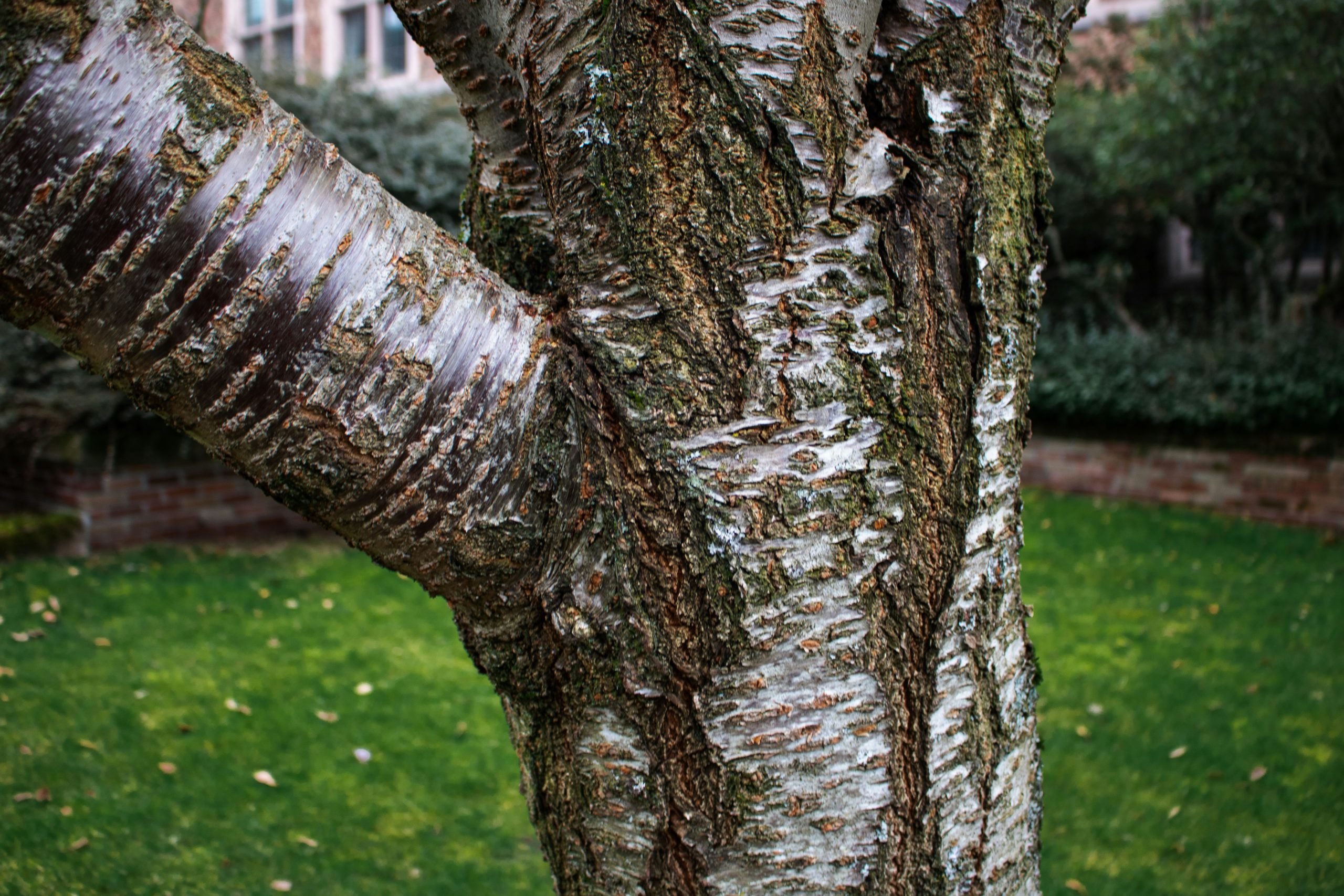
Some trees naturally shed bark, but unusual areas of loose, damaged or peeling bark can indicate disease, injury or underlying decay. Large sections of missing bark can expose the tree to pests and infection while potentially weakening its structure.
An experienced tree specialist can determine whether the damage is cosmetic or a genuine safety concern.
8. Sudden Changes in Growth
Changes in a tree’s appearance can provide important clues about its health. Dead sections, unusually sparse foliage, premature leaf loss or branches failing to produce leaves may indicate disease, root problems or environmental stress.
A sudden decline is particularly concerning and should be investigated rather than ignored.
9. Branches Rubbing Against Buildings or Power Lines
Branches growing too close to roofs, walls, vehicles or utility lines can create safety risks. During windy weather, branches may strike structures or become entangled with overhead cables.
Trees close to power lines require particular care. Never attempt to cut branches near live electrical cables yourself; contact an appropriately qualified professional.
10. Signs of Storm Damage
After a storm, inspect trees from a safe distance for broken limbs, split branches, exposed roots, hanging branches or changes in their position. Even apparently minor damage can leave a tree vulnerable to further failure.
If you spot storm damage, keep people and pets away from the affected area until the tree has been assessed.
When Should You Call a Tree Professional?
If you notice one or more of these warning signs, professional advice can help determine whether the tree needs pruning, monitoring, treatment or removal. A qualified tree surgeon Ilfracombe residents can rely on can assess trees and identify potential hazards before they become more serious.
For properties elsewhere in the area, searching for an experienced tree surgeon North Devon homeowners can trust is another practical way to arrange an inspection and discuss the safest solution.
Remember that trees can be unpredictable, particularly during severe weather. Never put yourself at risk by climbing a damaged tree or attempting to remove large branches yourself. Professional tree surgeons have the equipment, training and experience needed to assess and manage potentially hazardous trees safely.
By carrying out regular visual checks and acting on warning signs early, homeowners can protect their property, reduce risks and help maintain healthy trees for years to come.

