
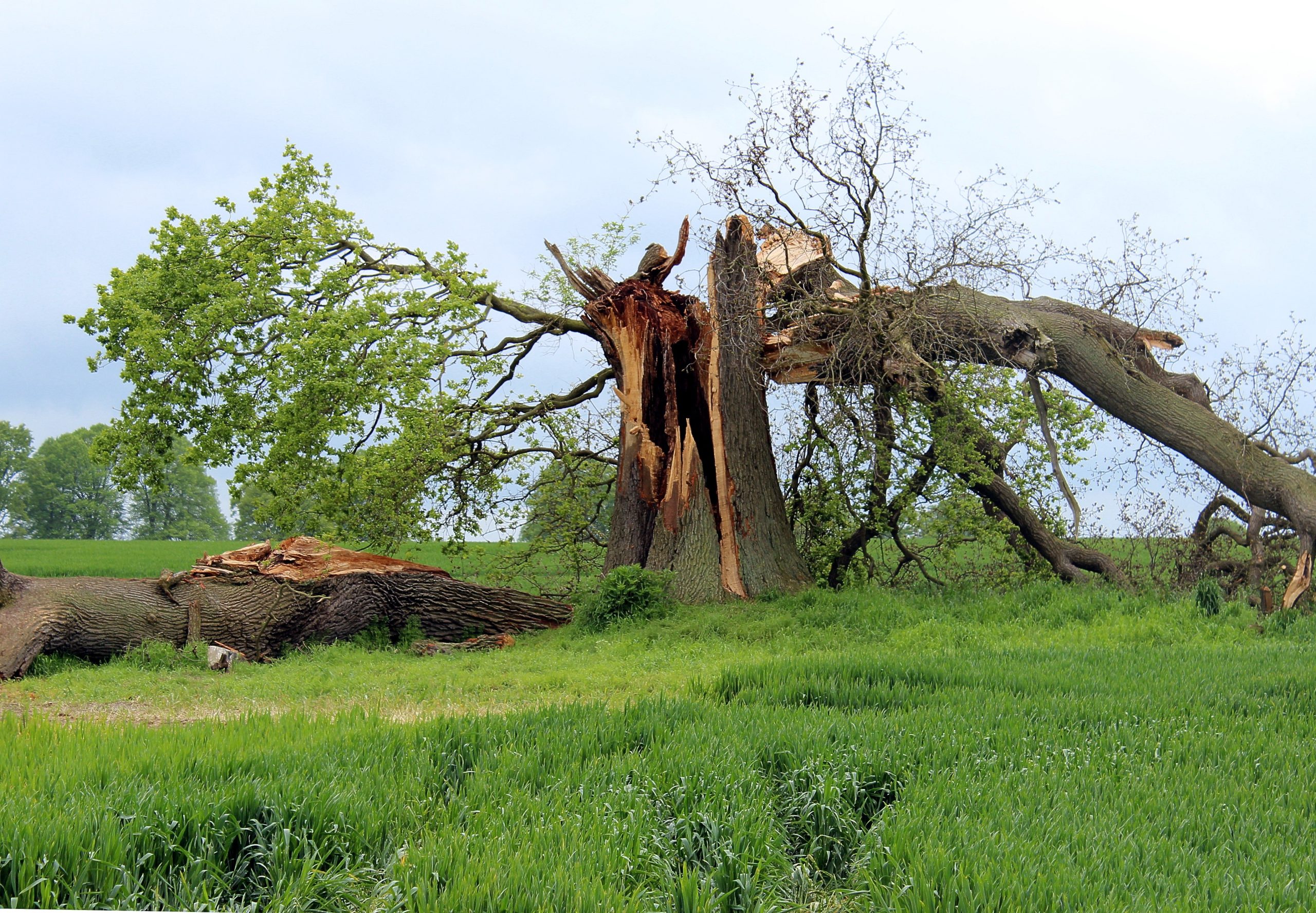
As autumn arrives and the days get shorter, it’s a good time to start thinking about how your trees will cope with the winter weather. Strong winds, heavy rain and saturated ground can all put additional pressure on trees, particularly those that are already damaged, diseased or poorly maintained.
For homeowners in North Devon, where exposed coastal locations can experience some particularly challenging weather, preparing your trees before winter storms arrive can help reduce the risk of damage.
Check Your Trees for Signs of Damage
Before winter sets in, take a look at the trees around your property. You don’t need to be an expert to spot some of the obvious warning signs, or read our guide on When To Call A Tree Surgeon.
Look for dead or hanging branches, visible cracks, damaged bark, cavities and branches that appear weak or unstable. You should also take note of any trees that have started leaning or have exposed roots.
If you’re unsure whether a tree is safe, it’s best to get professional advice rather than attempting to inspect or work on it yourself.
Remove Dead or Dangerous Branches
Dead branches can become particularly hazardous during high winds. Even relatively small branches can cause damage to roofs, vehicles, fences and other property if they fall.
Professional tree pruning or deadwood removal can reduce some of these risks and help keep your trees in good condition. It’s important, however, that pruning is carried out correctly. Removing too much growth or making inappropriate cuts can potentially weaken a tree rather than strengthen it.
An experienced Ilfracombe tree surgeon can assess the condition of your trees and recommend the most appropriate work.
Look Out for Diseased or Weak Trees
Trees affected by disease, decay or structural problems may be more vulnerable during severe weather. A tree can look healthy from a distance while having significant problems within its trunk or major branches.
Signs such as fungal growth, cavities, extensive deadwood or areas of decay are worth investigating. If you have concerns about a mature or potentially hazardous tree, arranging a professional inspection before winter is a sensible precaution.
Consider Trees Near Buildings and Boundaries
Think about where your trees are located and what could be affected if a branch or entire tree were to fall.
Trees close to houses, sheds, garages, roads, footpaths and neighbouring properties deserve particular attention. In some cases, selective pruning may be enough to reduce the risk. In others, more extensive tree surgery or removal may be recommended.
Don’t Wait Until After the Storm
One of the biggest mistakes homeowners make is waiting until a tree has suffered storm damage before taking action. Once strong winds arrive, emergency tree work can be more difficult, and damaged trees can pose an immediate safety risk.
Getting your trees checked during autumn gives you an opportunity to deal with potential problems before winter weather arrives.
If you have trees that you’re concerned about this winter, a local professional can provide advice based on the condition and location of your trees.
For homeowners in Ilfracombe and across North Devon, getting your trees prepared now could help give you greater peace of mind when the next big storm comes along.

