
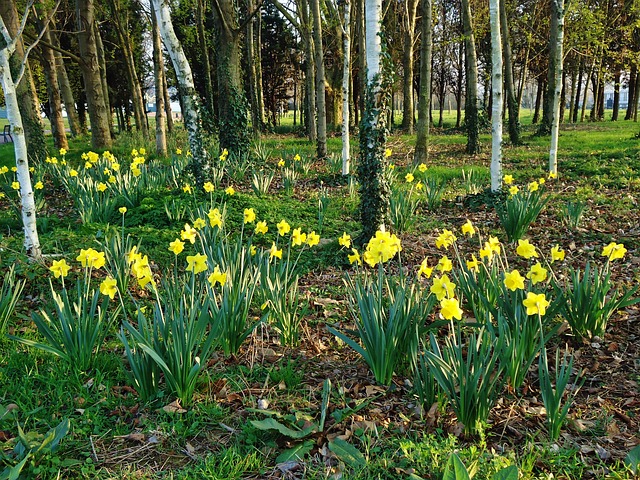
As the days get longer and temperatures rise, spring is the ideal time to assess the health and safety of your trees. Winter storms, heavy rainfall, and cold snaps can leave behind hidden damage that may worsen as new growth begins. Following a structured spring maintenance routine helps protect your trees, your property, and your family.
Here’s a practical spring tree maintenance checklist to keep your garden in top condition.
1. Inspect for Winter Damage
Start with a thorough visual inspection.
Look for:
- Cracked or split branches
- Hanging or broken limbs
- Signs of decay or fungal growth
- Leaning trunks or exposed roots
Winter winds and saturated soil can weaken root systems, especially in coastal areas like Ilfracombe where gusts can be strong. If you notice large damaged limbs or structural instability, it’s safest to contact a professional tree surgeon Ilfracombe residents trust for a detailed assessment.
2. Remove Dead or Diseased Branches
Spring is perfect for removing deadwood. Dead branches not only look unsightly but can also become hazardous as trees come into full leaf.
- Signs of deadwood include:
- Brittle branches that snap easily
- No visible buds or new growth
- Peeling bark
Pruning improves airflow and encourages healthy development. However, excessive or incorrect cutting can stress a tree. For mature or large specimens, professional pruning ensures the tree maintains its natural shape and long-term health.
-
3. Check for Pests and Disease
As temperatures warm up, pests become active. Early detection can prevent serious long-term damage.
Watch for:
- Unusual leaf discolouration
- Holes in leaves
- Sticky residue (aphids)
- Fungal growth at the base
Devon gardens can be prone to fungal diseases due to damp conditions. If you’re unsure what you’re seeing, a qualified tree surgeon Ilfracombe homeowners rely on can diagnose problems and recommend treatment before they spread.
4. Assess Tree Stability and Safety
Spring growth adds weight to branches, which can increase strain on weak limbs.
Consider:
- Are branches overhanging your house, driveway, or pavement?
- Are trees close to power lines?
- Is there excessive canopy density blocking light?
Crown reduction or thinning may be necessary to reduce wind resistance and improve safety. Professional tree surgeons use specialist equipment and techniques to carry out this work safely and in line with British Standards.
5. Mulch and Feed
Healthy soil equals healthy trees. Apply a layer of organic mulch (such as bark chips or composted material) around the base of the tree:
- Keep mulch 5–10cm deep
- Leave space around the trunk to prevent rot
- Spread mulch out to the tree’s drip line if possible
Mulching helps retain moisture, regulate soil temperature, and suppress weeds. Spring is also a good time to apply a balanced slow-release fertiliser if soil quality is poor.
6. Inspect Tree Stakes and Supports
Young trees often have stakes to help them establish.
Check that:
- Ties are not too tight
- Stakes are still secure
- The trunk is not rubbing against supports
- Improper staking can cause long-term structural weakness.
- Remove supports once the tree is stable enough to stand independently.
7. Plan Larger Tree Work Early
Spring is a busy season for garden improvements.
If you’re considering:
It’s wise to book early. A reputable tree surgeon Ilfracombe property owners recommend will also advise if your trees are protected or within a conservation area.
Why Spring Tree Care Matters
Trees are long-term investments that add beauty, privacy, and value to your home. Proactive spring maintenance prevents costly emergency call-outs later in the year and keeps your outdoor space safe and attractive.
While small tasks like mulching and visual checks can be done yourself, larger pruning or structural work should always be handled by trained professionals. Working at height with heavy equipment carries significant risk, and improper cuts can permanently damage a tree.
If you’re unsure about the condition of your trees this spring, arranging a professional inspection gives you peace of mind and ensures your garden thrives throughout the year.

