
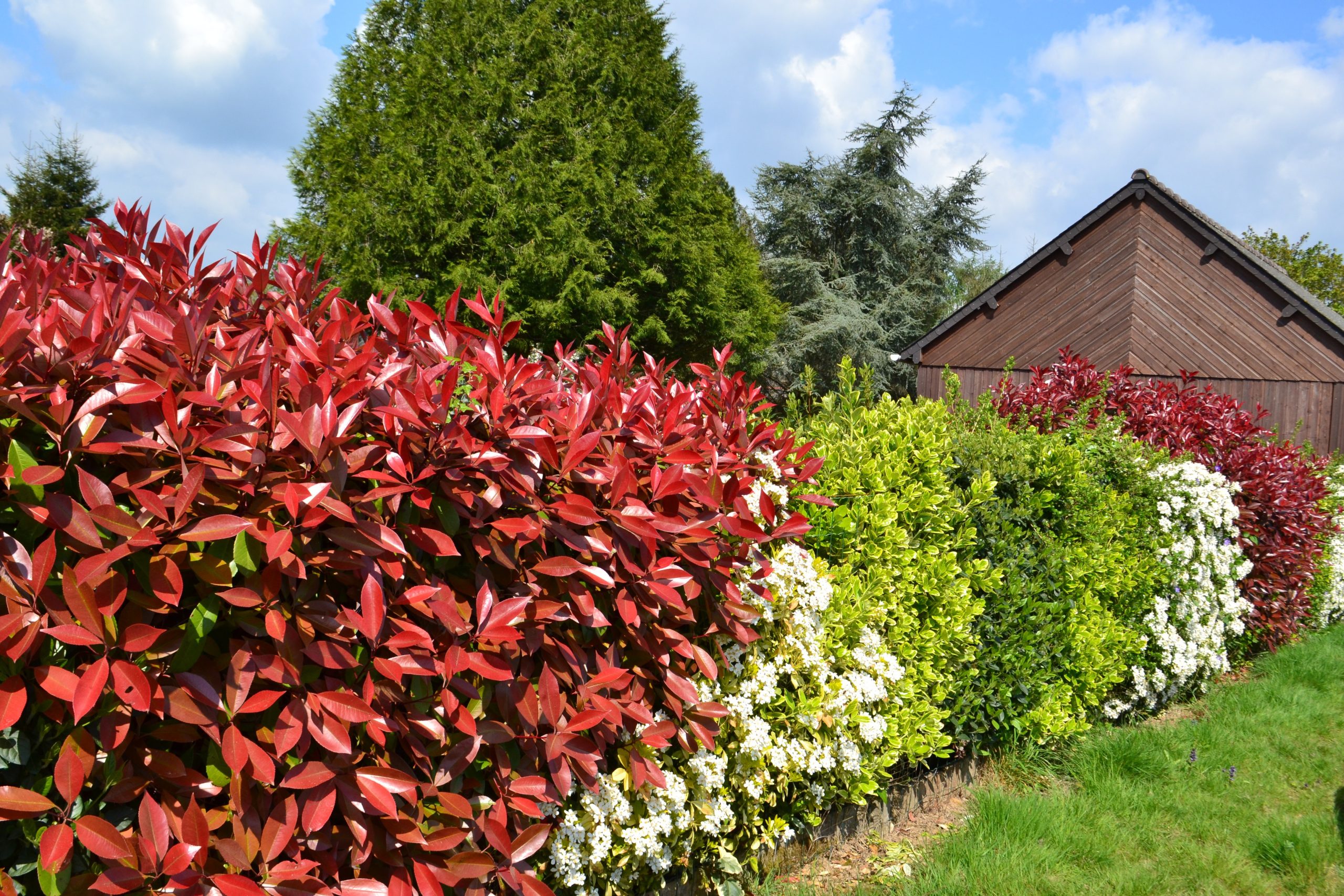
Hedges are an important part of many gardens, providing privacy, defining boundaries and adding structure to outdoor spaces. However, to keep a hedge looking neat and healthy, regular trimming is essential. So, how often should hedges be cut? The answer depends on the type of hedge, its growth rate, its age and the time of year.
How Often Should You Trim a Hedge?
For most established hedges, trimming once or twice a year is usually enough to maintain their shape and appearance. Fast-growing species may need more frequent attention, particularly during the spring and summer when plants are actively growing.
Formal hedges, where a neat and precise shape is important, often benefit from more regular trimming. Informal hedges made from flowering shrubs may require less frequent cutting, as excessive trimming could remove flowers or new growth.
If you’re unsure how frequently your hedge needs cutting, it’s worth considering both its current condition and the type of plant. A professional can assess the hedge and recommend a suitable maintenance schedule.
When Is the Best Time to Cut a Hedge?
The ideal time to trim a hedge varies depending on the species. Generally, many evergreen hedges can be trimmed during the growing season, while deciduous hedges are often cut when they are dormant.
It’s important to avoid cutting during periods when birds may be nesting. Before carrying out substantial hedge work, check the hedge carefully for active nests and make sure your work complies with relevant wildlife protection requirements.
Some flowering hedges should also be trimmed after they have finished flowering. Cutting them at the wrong time could mean losing many of the flowers you were hoping to enjoy.
Why Regular Hedge Trimming Matters
Regular trimming isn’t just about making your garden look tidy. Keeping a hedge under control can encourage denser, healthier growth and prevent it from becoming too large for its space.
An overgrown hedge can quickly become difficult to manage. Thick branches may become harder to cut, while excessive height or width can reduce light in the garden and encroach on paths, driveways or neighbouring properties.
Regular maintenance also makes each trimming job easier. Rather than allowing several years of growth to accumulate, smaller amounts can be removed regularly to maintain a manageable shape.
What About Large or Overgrown Hedges?
If a hedge has become very tall, wide or difficult to access, it may be better to use a professional rather than attempting the work yourself. Large hedges can require ladders, specialist equipment and considerable time to trim safely.
For homeowners looking for a tree surgeon in Ilfracombe and North Devon, professional help can make larger hedge maintenance much easier. An experienced team can assess the hedge, identify the appropriate approach and deal with the resulting green waste.
Professional hedge cutting can also be particularly useful for properties with extensive grounds, rental properties, holiday homes or gardens where regular maintenance is difficult to fit around a busy schedule.
Keeping Your Hedge Looking Its Best
There isn’t one trimming schedule that suits every hedge. As a general rule, established hedges may need cutting once or twice a year, while faster-growing varieties can require more frequent maintenance.
The key is to avoid allowing your hedge to become excessively overgrown. Regular trimming helps maintain its shape, keeps boundaries tidy and can contribute to healthier, denser growth.
If you’re unsure when your hedge should be cut or have a large or overgrown hedge that needs attention, professional advice can help you choose the right approach. With the right maintenance routine, your hedge can remain an attractive and practical feature of your garden throughout the year.

